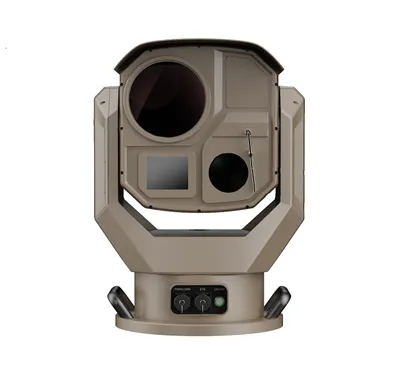

When it comes to infrared technology, the long wave uncooled infrared sensor stands out as a remarkable innovation. As a leading supplier of Long Wave Uncooled Infrared Sensors, I am excited to delve into the concept of thermal stability of these sensors and its significance in various applications.
Understanding Long Wave Uncooled Infrared Sensors
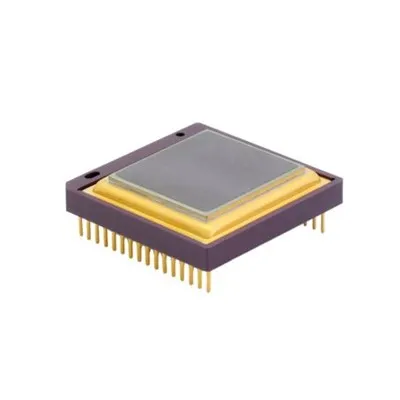
Long Wave Uncooled Infrared Sensors, as the name suggests, operate in the long - wave infrared (LWIR) spectrum, typically around 8 - 14 micrometers. Unlike cooled infrared sensors that require a cryogenic cooling system to achieve high performance, uncooled sensors are more cost - effective and easier to maintain. They are based on microbolometer technology, which detects infrared radiation by measuring the change in resistance of a material due to the absorption of infrared energy.
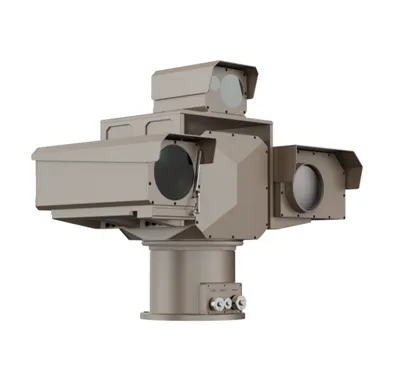
The Long Wave Uncooled Infrared Sensor has become an essential component in many thermal imaging devices. These sensors are used in a wide range of applications, including surveillance, industrial inspection, building diagnostics, and automotive safety.
What is Thermal Stability?
Thermal stability in the context of a Long Wave Uncooled Infrared Sensor refers to the sensor's ability to maintain consistent performance over a range of operating temperatures. Several factors affect the thermal stability of these sensors.
One of the primary factors is the self - heating of the sensor elements. When the sensor is powered on, electrical currents flow through the microbolometers, generating heat. This self - heating can cause temperature fluctuations within the sensor, which in turn can affect the resistance of the microbolometers and lead to inaccurate measurements.
Another factor is the ambient temperature. Changes in the surrounding temperature can cause the materials in the sensor to expand or contract, which can change the physical properties of the microbolometers. This can result in drift in the sensor's output, reducing the accuracy of the thermal images produced.
Importance of Thermal Stability
The thermal stability of a Long Wave Uncooled Infrared Sensor is crucial for several reasons. In surveillance applications, maintaining a high level of thermal stability ensures that the sensor can accurately detect and track targets regardless of the ambient temperature conditions. For example, in a 24 - hour surveillance system, the sensor may need to operate in both cold nights and hot days. A sensor with poor thermal stability may produce inconsistent images, making it difficult to identify and monitor potential threats.
In industrial inspection, thermal stability is essential for detecting and diagnosing problems in machinery and electrical systems. A stable sensor can accurately measure temperature differences, which is crucial for identifying overheating components or insulation failures. Without proper thermal stability, false positives or negatives may occur, leading to incorrect diagnoses and potentially costly repairs.
Techniques to Improve Thermal Stability
To enhance the thermal stability of Long Wave Uncooled Infrared Sensors, several techniques are employed.
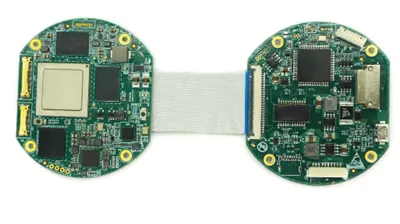
One common approach is the use of temperature compensation algorithms. These algorithms continuously monitor the temperature of the sensor and calculate the correction factors needed to compensate for the effects of temperature changes. By adjusting the sensor's output based on these correction factors, the accuracy of the thermal images can be maintained.
Another technique is the use of thermal isolation structures. These structures are designed to reduce the heat transfer between the sensor and its surroundings. By minimizing the influence of ambient temperature on the sensor, the thermal stability can be improved. For example, some sensors are equipped with vacuum - sealed packages or thermal shields to isolate them from external temperature variations.
Real - World Performance
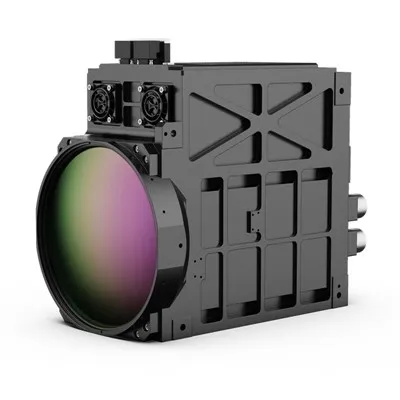
In real - world applications, the thermal stability of our LWIR Thermal Camera, which is equipped with our high - performance Long Wave Uncooled Infrared Sensor, has been proven to be outstanding. Customers in various industries have reported reliable and consistent performance even under challenging temperature conditions.
For instance, in the field of building diagnostics, our thermal cameras have been used to detect energy leaks in buildings. The high thermal stability of the sensors allows for accurate identification of temperature differences between the interior and exterior of the building, helping architects and engineers to design more energy - efficient buildings.
In the automotive industry, our sensors are used in advanced driver - assistance systems (ADAS) to detect pedestrians and obstacles in low - light conditions. The stable performance of the sensors ensures the safety of drivers and passengers by providing accurate thermal images regardless of the outside temperature.


The Future of Thermal Stability in Long Wave Uncooled Infrared Sensors
As technology continues to evolve, we expect to see further improvements in the thermal stability of Long Wave Uncooled Infrared Sensors. New materials and manufacturing processes are being developed to reduce the self - heating of the sensor elements and improve the resistance to ambient temperature changes.
In addition, more advanced algorithms and signal processing techniques will be developed to enhance the temperature compensation capabilities of the sensors. These advancements will not only improve the performance of the sensors but also expand their applications in emerging fields such as smart cities and environmental monitoring.
Call to Action
If you are looking for a reliable Long Wave Uncooled Infrared Sensor with excellent thermal stability for your specific application, we are here to help. Our team of experts can provide you with detailed technical information and support to ensure that you select the right sensor for your needs. We welcome you to contact us for a consultation and start discussing your procurement requirements. Together, we can find the best solution for your thermal imaging needs.
References
- "Infrared Detectors and Systems" by Paul R. Norton
- "Thermal Imaging Technology: Fundamentals and Applications" by John C. Hedrick