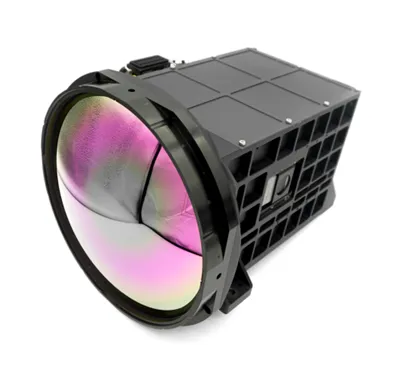

Are there any special requirements for using a swir camera lens?
In the world of imaging technology, Short - Wave Infrared (SWIR) camera lenses have emerged as a powerful tool with a wide range of applications. As a reliable supplier of SWIR camera lenses, I've received numerous inquiries from customers about the special requirements for using these lenses. In this blog, I'll delve into the key aspects that users need to consider when working with SWIR camera lenses.
Understanding the Basics of SWIR Camera Lenses
Before discussing the special requirements, it's essential to understand what makes SWIR camera lenses unique. SWIR light has wavelengths ranging from approximately 0.9 to 1.7 micrometers. This spectral range offers several advantages over visible light, such as better penetration through haze, fog, and some materials. SWIR camera lenses are designed to focus this specific range of wavelengths onto the camera's sensor, enabling clear and detailed imaging in various environments.
Environmental Requirements
One of the primary considerations when using a SWIR camera lens is the environment in which it will operate. Different environmental conditions can significantly impact the performance of the lens.
Temperature and Humidity: Extreme temperatures can cause the lens materials to expand or contract, leading to changes in the lens's focal length and optical performance. High humidity can also cause condensation on the lens surface, which can degrade image quality. Therefore, it's crucial to ensure that the operating temperature and humidity are within the specified range of the lens. For outdoor applications, using protective enclosures with temperature - and humidity - control features can help maintain optimal conditions.
Dust and Contaminants: Dust, dirt, and other contaminants in the air can settle on the lens surface, scattering light and reducing image clarity. In industrial or outdoor environments where dust is prevalent, regular cleaning of the lens is necessary. However, it's important to use proper cleaning techniques and materials to avoid scratching the delicate lens coatings. Microfiber cloths and lens - cleaning solutions specifically designed for optical lenses are recommended.
Vibration and Shock: Vibration and shock can displace the lens elements, affecting the alignment of the optical system. This can result in image distortion, reduced resolution, or even permanent damage to the lens. In applications where the camera is subject to vibration, such as on moving vehicles or machinery, using vibration - isolation mounts can help protect the lens.
Compatibility with Camera Sensors
Another critical requirement for using a SWIR camera lens is its compatibility with the camera sensor. Different camera sensors have different pixel sizes, formats, and spectral sensitivities, and the lens must be matched accordingly.
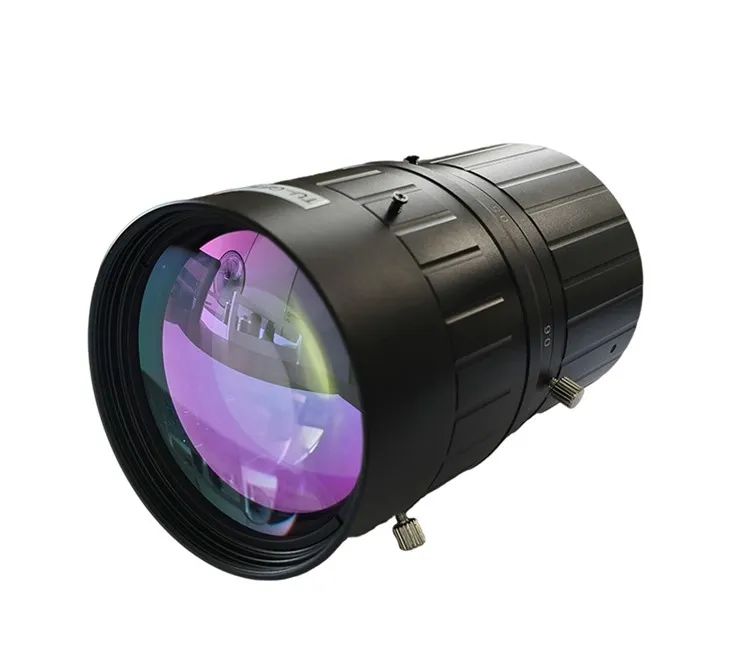

Pixel Size and Resolution: The pixel size of the camera sensor determines the minimum resolvable feature in the image. To achieve the best possible resolution, the lens should be able to focus the SWIR light onto the sensor with a spot size that is smaller than or equal to the pixel size. This requires careful consideration of the lens's focal length, aperture, and optical design.
Sensor Format: The sensor format refers to the physical size of the camera sensor. The lens must have a sufficient image circle to cover the entire sensor area. Using a lens with an insufficient image circle can result in vignetting, where the edges of the image are darker or have reduced clarity.
Spectral Sensitivity: The spectral sensitivity of the camera sensor should match the spectral range of the SWIR lens. Some sensors may have a broader or narrower spectral response than others, and the lens should be selected to ensure that the desired wavelengths are effectively captured.
Optical Performance Requirements
The optical performance of the SWIR camera lens is crucial for obtaining high - quality images. Several factors contribute to the overall optical performance of the lens.
Focal Length and Aperture: The focal length of the lens determines the magnification and field of view of the camera system. A longer focal length provides a narrower field of view and higher magnification, while a shorter focal length offers a wider field of view and lower magnification. The aperture of the lens, expressed as an f - number, controls the amount of light that enters the lens. A larger aperture (smaller f - number) allows more light to reach the sensor, which can improve image quality in low - light conditions.
Chromatic Aberration and Distortion: Chromatic aberration occurs when different wavelengths of light are focused at different points, resulting in color fringing around objects in the image. Distortion refers to the deviation of straight lines from being straight in the image. High - quality SWIR camera lenses are designed to minimize chromatic aberration and distortion through advanced optical design and the use of specialized lens materials.
Mounting and Alignment
Proper mounting and alignment of the SWIR camera lens are essential for its optimal performance. The lens must be securely mounted to the camera body to ensure stability and prevent movement during operation.
Mount Compatibility: Different camera models use different types of lens mounts. It's crucial to ensure that the SWIR camera lens has the correct mount type for the camera. Using an incompatible mount can lead to improper alignment, which can affect image quality.
Alignment Procedures: During installation, the lens must be accurately aligned with the camera sensor. This involves adjusting the position of the lens in multiple axes to ensure that the optical axis of the lens coincides with the center of the sensor. Some high - end camera systems may have built - in alignment mechanisms, while others may require manual adjustment using precision tools.
Our Product Offerings
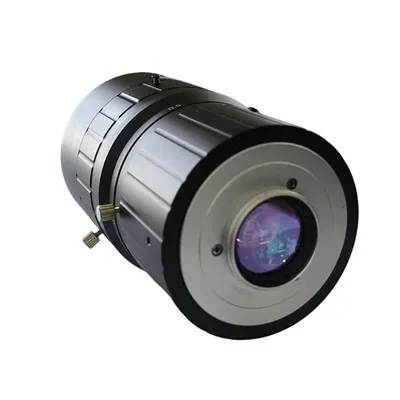
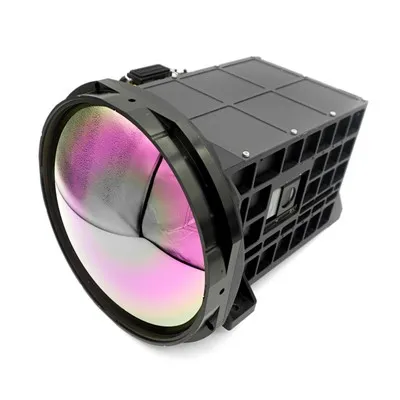
As a leading supplier of SWIR camera lenses, we offer a wide range of products to meet various application requirements. Our Fixed SWIR Camera Lens provides excellent optical performance with a fixed focal length, suitable for applications where a specific magnification and field of view are required. For more flexibility, our SWIR Zoom Optical System allows users to adjust the focal length and field of view, making it ideal for applications such as surveillance and inspection.
Conclusion
Using a SWIR camera lens requires careful consideration of several special requirements, including environmental conditions, compatibility with camera sensors, optical performance, and mounting and alignment. By understanding these requirements and following the best practices, users can ensure that they obtain high - quality images and maximize the performance of their SWIR camera systems.
If you're interested in learning more about our SWIR camera lenses or need assistance in selecting the right lens for your application, please feel free to contact us. Our team of experts is ready to help you with your procurement and provide you with the best solutions for your imaging needs.
References
- "Short - Wave Infrared Imaging: Technology and Applications" by James W. Schlereth
- "Optics for Engineers" by Joseph A. Shaw and John C. Greivenkamp