
In the dynamic landscape of artificial intelligence, AI computing modules stand as the unsung heroes powering a multitude of applications, from autonomous vehicles to smart manufacturing. As an established AI computing module supplier, we are acutely aware of the challenges and limitations that these modules often face. This blog aims to delve into the intricacies of overcoming these limitations and unlocking the full potential of AI computing.
Understanding the Limitations of AI Computing Modules
Before we can break through the limitations, it's essential to understand what they are. One of the most prominent challenges is computational power. AI algorithms, especially deep - learning models, require vast amounts of processing power to train and run efficiently. Traditional computing architectures may struggle to keep up with the demands of these complex algorithms, leading to slow performance and long processing times.
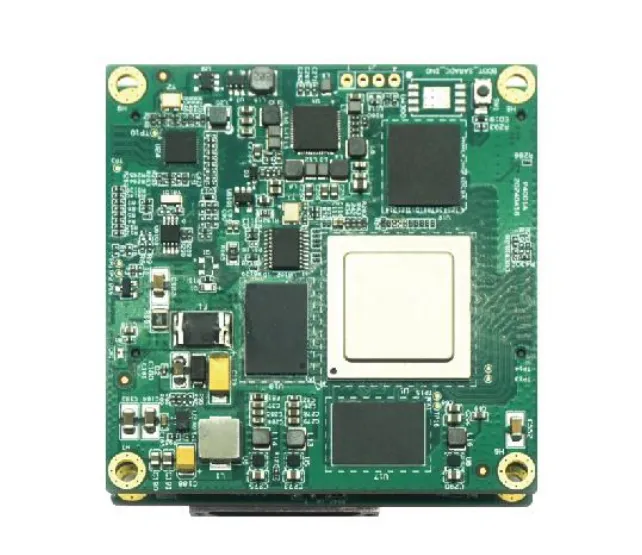
Another limitation is energy consumption. High - performance AI computing often comes at the cost of significant power consumption. This not only increases operational costs but also poses challenges for applications where power is limited, such as in mobile devices or remote sensors.
Memory constraints also play a crucial role. AI algorithms need to store and access large amounts of data during processing. Insufficient memory can lead to data bottlenecks, where the module has to constantly swap data between different storage levels, slowing down the overall performance.
Strategies to Break Through the Limitations
1. Hardware Innovation
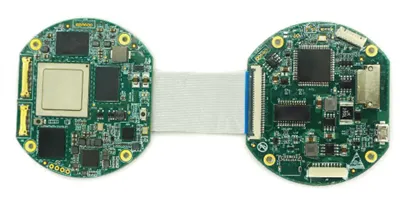
- Advanced Processors: Investing in the latest processor technologies is a key step in enhancing computational power. For example, the RK3588 MIPI CSI Camera Development Board is equipped with a powerful Rockchip RK3588 processor, which offers high - performance computing capabilities suitable for a wide range of AI applications. This processor integrates multiple cores and advanced neural processing units (NPUs), enabling faster and more efficient AI computations.
- Specialized AI Accelerators: Specialized AI accelerators, such as graphics processing units (GPUs), field - programmable gate arrays (FPGAs), and application - specific integrated circuits (ASICs), can significantly boost the performance of AI computing modules. For instance, the Rockchip RK3588 Industrial Edge AI Vision Board is designed with an AI accelerator that can handle complex vision - related AI tasks with high efficiency. These accelerators are optimized for the specific operations required by AI algorithms, such as matrix multiplications, allowing for faster processing speeds.
2. Energy - Efficient Design
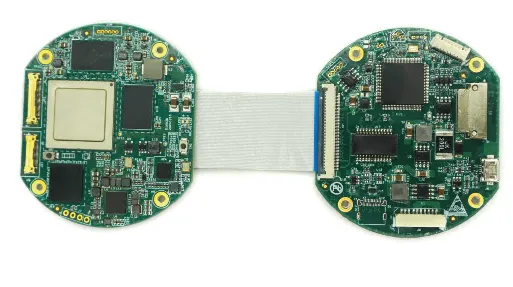
- Low - Power Processors: Selecting low - power processors can significantly reduce energy consumption without sacrificing too much performance. The 8 TOPS Edge AI Compact Embedded Computing Hardware is an excellent example of a compact and energy - efficient solution. It is designed to provide a balance between computational power and power consumption, making it suitable for edge computing applications where power efficiency is crucial.
- Power Management Techniques: Implementing advanced power management techniques, such as dynamic voltage and frequency scaling (DVFS), can help optimize energy consumption. DVFS allows the module to adjust its voltage and frequency according to the workload, reducing power consumption during periods of low activity.
3. Memory Optimization
- High - Speed Memory: Using high - speed memory, such as static random - access memory (SRAM) or high - bandwidth memory (HBM), can reduce data access times and alleviate memory bottlenecks. These types of memory offer faster data transfer rates, allowing the AI computing module to access data more quickly during processing.
- Memory Hierarchy Design: Designing an efficient memory hierarchy can also improve memory performance. This involves using different types of memory with varying speeds and capacities at different levels of the hierarchy, such that frequently accessed data is stored in faster memory, while less frequently accessed data is stored in slower but larger - capacity memory.
Software - Level Solutions
In addition to hardware improvements, software - level solutions can also contribute to breaking through the limitations of AI computing modules.
1. Algorithm Optimization
- Model Compression: Techniques such as pruning, quantization, and knowledge distillation can be used to compress AI models without significant loss of accuracy. Pruning involves removing unnecessary connections in a neural network, while quantization reduces the precision of the model's parameters. Knowledge distillation transfers the knowledge from a large model to a smaller one. These techniques can reduce the memory requirements and computational complexity of AI models, making them more suitable for deployment on resource - constrained computing modules.
- Parallel Computing: Leveraging parallel computing techniques, such as multi - threading and GPU acceleration, can significantly speed up the execution of AI algorithms. Many deep - learning frameworks, such as TensorFlow and PyTorch, support parallel computing out - of - the - box, allowing developers to take advantage of the multiple cores and threads available in modern processors and accelerators.
2. Operating System and Runtime Optimization
- Customized Operating Systems: Developing customized operating systems for AI computing modules can optimize resource management and improve performance. These operating systems can be tailored to the specific requirements of AI applications, such as real - time processing and low - latency communication.
- Optimized Runtimes: Using optimized runtimes for AI models can also enhance performance. For example, TensorRT is a high - performance deep - learning inference optimizer and runtime library developed by NVIDIA. It can optimize and accelerate the inference process of deep - learning models, reducing the processing time and improving the overall efficiency of the AI computing module.
System - Level Integration
Breaking through the limitations of AI computing modules also requires a holistic approach at the system level.
1. Thermal Management
- Effective thermal management is crucial for maintaining the performance and reliability of AI computing modules. High - performance processors and accelerators generate a significant amount of heat, which can degrade performance if not properly managed. Using heat sinks, fans, and liquid cooling systems can help dissipate heat and keep the module within its optimal operating temperature range.
2. Interconnectivity
- Ensuring high - speed and reliable interconnectivity between different components of the AI computing system is essential. This includes fast data buses, such as PCIe, and high - speed communication interfaces, such as Ethernet and USB. Good interconnectivity allows for efficient data transfer between the processor, memory, and other peripherals, reducing data transfer bottlenecks.
Conclusion and Call to Action
Overcoming the limitations of AI computing modules is a multi - faceted challenge that requires a combination of hardware innovation, software optimization, and system - level integration. As a leading AI computing module supplier, we are committed to developing cutting - edge solutions that address these challenges and enable our customers to unlock the full potential of AI.
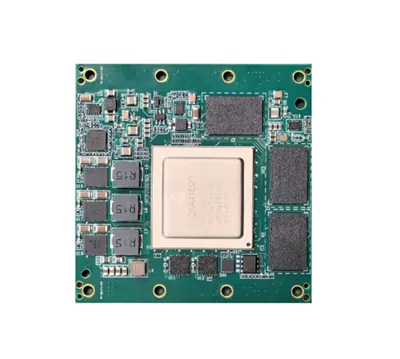
We offer a wide range of high - performance AI computing modules, including the Ascend Industrial Embedded Vision Processing Unit and Huawei Ascend 20 TOPS System On Module, which are designed to meet the diverse needs of different AI applications.
If you are interested in learning more about our products or have specific requirements for your AI project, we invite you to contact us for procurement discussions. Our team of experts is ready to assist you in finding the best solutions for your needs.
References
- Brownlee, J. (2020). How to Develop a Neural Network for Image Classification from Scratch. Machine Learning Mastery.
- Patterson, D., & Hennessy, J. L. (2017). Computer Organization and Design: The Hardware/Software Interface. Morgan Kaufmann.
- Goodfellow, I., Bengio, Y., & Courville, A. (2016). Deep Learning. MIT Press.