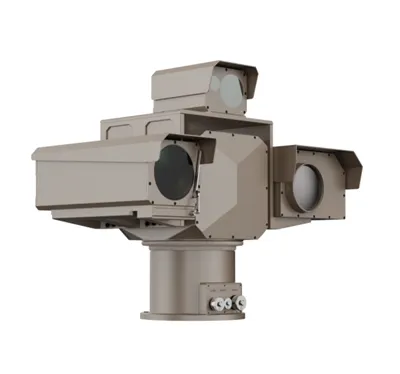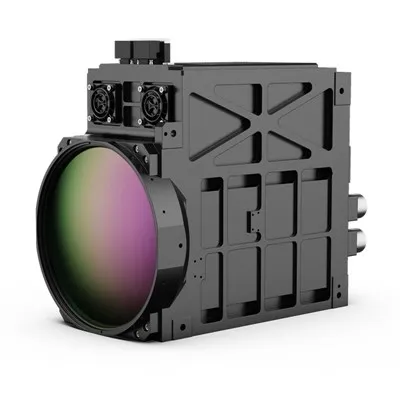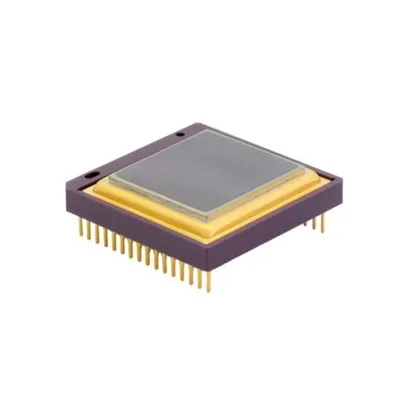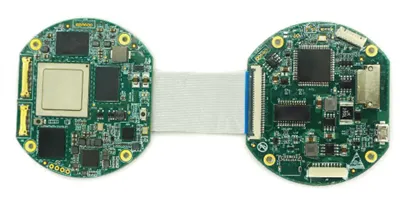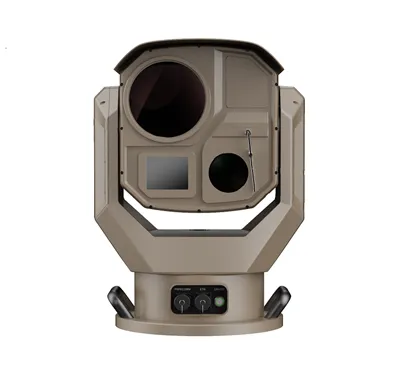

When it comes to cooled infrared imagers, understanding the differences between short - wave (SWIR) and long - wave (LWIR) devices is crucial for various applications. As a supplier of Cooled Infrared Imager, I've witnessed firsthand the unique characteristics and use - cases of each type.
1. Spectral Range
The most fundamental difference between SWIR and LWIR cooled infrared imagers lies in their spectral ranges. SWIR operates in the 1 - 3 micrometer range. This range is closer to the visible light spectrum, which means it can capture details that are not easily seen with the naked eye but are still influenced by the properties of light similar to visible wavelengths.
On the other hand, LWIR works in the 8 - 14 micrometer range. This longer wavelength is associated with thermal radiation emitted by objects at relatively low temperatures. For example, the human body emits most of its thermal radiation in the LWIR range, which makes LWIR imagers ideal for applications such as night - vision and detecting living organisms.
2. Sensitivity and Resolution
In terms of sensitivity, SWIR imagers are highly sensitive to reflected light. They can detect small variations in the reflectance of objects, which is useful for applications like hyperspectral imaging, where different materials can be identified based on their unique spectral signatures. The high - resolution capabilities of SWIR imagers, such as our 1280 HD Cooled Thermal Camera, allow for detailed imaging of objects, even at a distance.
LWIR imagers, however, are more sensitive to thermal radiation. They can detect small temperature differences between objects, which is essential for applications like thermography. The resolution of LWIR imagers is often sufficient for detecting temperature anomalies in industrial settings, building inspections, and medical applications.
3. Atmospheric Transmission
Atmospheric conditions can significantly affect the performance of infrared imagers. SWIR radiation experiences less scattering compared to visible light, but it can still be affected by water vapor and aerosols in the atmosphere. However, in clear conditions, SWIR can provide good long - range imaging capabilities.
LWIR radiation has better atmospheric transmission in certain conditions, especially in the presence of fog and haze. The longer wavelengths are less affected by small particles in the air, which makes LWIR imagers more reliable for outdoor applications in adverse weather conditions.
4. Cooling Requirements
Both SWIR and LWIR cooled infrared imagers require cooling to reduce thermal noise and improve performance. However, the cooling requirements can differ. SWIR detectors often use cryogenic cooling systems, such as Stirling coolers, to reach low operating temperatures. These cooling systems are designed to maintain a stable temperature for the detector, which is crucial for accurate imaging.
LWIR detectors also use cooling systems, but the cooling requirements may be less stringent in some cases. Some LWIR imagers can operate at relatively higher temperatures compared to SWIR imagers, which can simplify the cooling design and reduce the overall cost of the system. Our MWIR Cooled Module Camera is designed with efficient cooling systems to ensure optimal performance.


5. Applications
The differences in spectral range, sensitivity, and atmospheric transmission lead to distinct applications for SWIR and LWIR cooled infrared imagers.
SWIR Applications
- Remote Sensing: SWIR imagers are used in satellite and airborne remote sensing to map vegetation, detect minerals, and monitor environmental changes. The ability to detect reflected light in the SWIR range allows for the identification of different types of vegetation and the analysis of soil moisture content.
- Machine Vision: In industrial applications, SWIR imagers are used for quality control, inspection, and sorting. They can detect defects in materials that are not visible in the visible light spectrum, such as cracks in semiconductors or impurities in food products.
- Surveillance: SWIR imagers can be used for long - range surveillance, especially in areas with low light conditions. They can detect objects based on their reflectance, which is useful for detecting intruders or monitoring large areas.
LWIR Applications
- Thermography: LWIR imagers are widely used in thermography for industrial and building inspections. They can detect temperature differences in electrical systems, mechanical equipment, and building structures, which can help identify potential problems before they cause significant damage.
- Night Vision: LWIR imagers are the preferred choice for night - vision applications. They can detect the thermal radiation emitted by objects, allowing for clear imaging in complete darkness. This is useful for military, law enforcement, and security applications.
- Medical Imaging: In the medical field, LWIR imagers can be used to detect inflammation and other temperature - related abnormalities in the human body. They provide a non - invasive way to monitor patients and diagnose certain conditions.
6. Cost and Complexity
The cost and complexity of SWIR and LWIR cooled infrared imagers can vary. SWIR imagers often require more advanced technology and higher - precision manufacturing processes, which can make them more expensive. The cryogenic cooling systems used in SWIR imagers also add to the cost and complexity of the system.
LWIR imagers, on the other hand, can be more cost - effective in some cases. The less stringent cooling requirements and the simpler design of LWIR detectors can result in lower manufacturing costs. However, high - performance LWIR imagers with advanced features can still be relatively expensive.
7. Choosing the Right Imager
When choosing between a SWIR and LWIR cooled infrared imager, it's important to consider the specific requirements of your application. If you need to detect reflected light and identify materials based on their spectral signatures, a SWIR imager may be the better choice. If you need to detect thermal radiation and measure temperature differences, a LWIR imager is likely to be more suitable.
As a supplier of cooled infrared imagers, we can provide you with expert advice on choosing the right imager for your needs. Our team of professionals has extensive experience in the field of infrared imaging and can help you select the most appropriate product based on your application requirements, budget, and performance expectations.
If you're interested in purchasing a cooled infrared imager, whether it's a SWIR or LWIR device, we invite you to contact us for a detailed discussion. We can provide you with product specifications, pricing information, and technical support to ensure that you make an informed decision. Our goal is to help you find the best solution for your infrared imaging needs.
References
- Smith, J. (2018). Infrared Imaging Technology. New York: Academic Press.
- Johnson, R. (2020). Applications of Short - Wave and Long - Wave Infrared Imagers. Journal of Infrared Science, 15(2), 123 - 135.
- Brown, A. (2019). Advances in Cooled Infrared Detector Technology. Proceedings of the International Conference on Infrared Technology, 2019, 456 - 467.