Hey there! As a supplier of thermal imagers, I often get asked about the maximum and minimum temperature measurement function on these nifty devices. So, let's dive right in and explore what this function is all about.
First off, what exactly is a thermal imager? Well, it's a device that detects infrared radiation and converts it into a visible image. This allows us to see the temperature distribution of an object or a scene. And that's where the maximum and minimum temperature measurement function comes in handy.
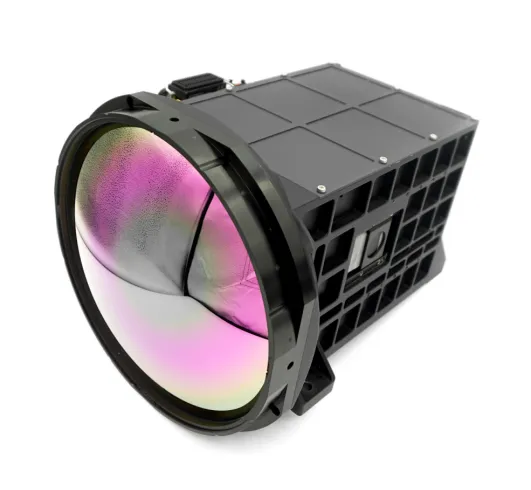
The maximum temperature measurement function on a thermal imager is pretty straightforward. It helps you find the hottest spot in the area you're looking at. This can be super useful in a bunch of different situations. For example, in industrial settings, it can help detect overheating machinery. If a motor or a transformer is running too hot, it could be a sign of a problem, like a worn - out bearing or a short circuit. By using the maximum temperature measurement function, maintenance workers can quickly identify these issues and take corrective action before a breakdown occurs.
In the building industry, this function can be used to detect heat loss. When you're looking at the exterior of a building, the maximum temperature measurement can show you areas where there might be poor insulation. For instance, if a particular part of the wall is much warmer than the rest, it could mean that heat is escaping through that section.
On the other hand, the minimum temperature measurement function is all about finding the coldest spot. In food storage facilities, it's crucial to maintain a consistent temperature to keep the food fresh. The minimum temperature measurement function can help identify areas where the temperature might be dropping too low, which could lead to food spoilage.
In environmental monitoring, it can be used to detect cold air pockets. For example, in a greenhouse, if there are areas with a significantly lower temperature, it could affect the growth of the plants. By knowing where these cold spots are, growers can take steps to adjust the heating or ventilation system.
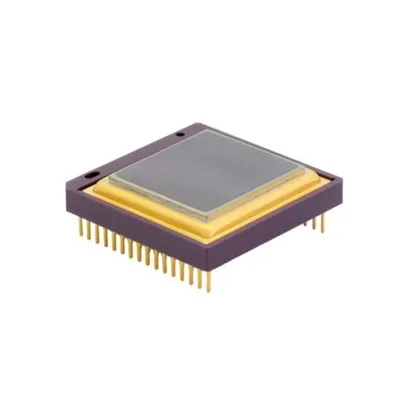
Now, let's talk about how these functions work. Most modern thermal imagers use advanced sensors and algorithms to accurately measure the temperature. The sensors detect the infrared radiation emitted by objects, and the software in the imager processes this data to calculate the temperature. When you activate the maximum or minimum temperature measurement function, the imager scans the entire image and highlights the areas with the highest and lowest temperatures respectively.
Some thermal imagers also allow you to set temperature alarms. You can define a specific temperature range, and if the maximum or minimum temperature goes outside of this range, the imager will alert you. This is really useful in situations where continuous monitoring is required, like in a server room. If the temperature of the servers gets too high, the alarm will go off, giving you a chance to take action before any damage occurs.
When it comes to the accuracy of these temperature measurements, it depends on several factors. The quality of the sensor is a big one. Higher - end thermal imagers usually have more accurate sensors, which can provide more precise temperature readings. The distance between the imager and the object being measured also matters. The farther away the object is, the less accurate the measurement might be.
Another factor is the emissivity of the object. Emissivity is a measure of how well an object emits infrared radiation. Different materials have different emissivity values, and if you don't set the correct emissivity in the thermal imager, the temperature readings could be off.
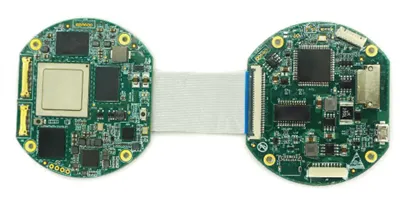
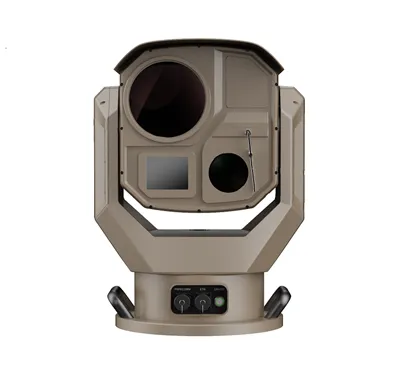
At our company, we offer a wide range of thermal imagers with excellent maximum and minimum temperature measurement functions. For example, our Infrared Camera is a great option for general - purpose temperature monitoring. It has a high - resolution sensor that can provide accurate temperature readings, and the maximum and minimum temperature functions work smoothly.
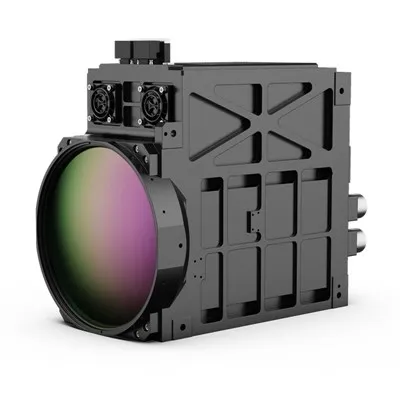
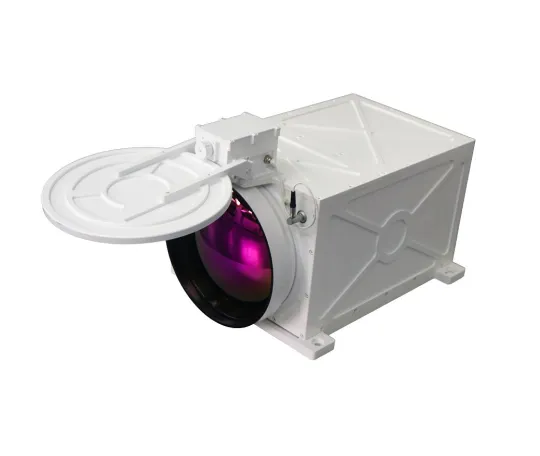
If you're looking for something more specialized, our 3 - 5 Micron Infrared Camera is designed for applications where more precise temperature measurements are required. It's particularly useful in scientific research and industrial inspection.
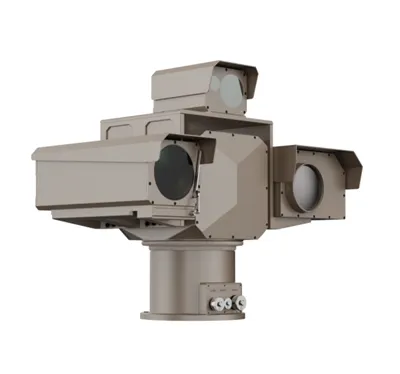
And for those who need long - range temperature monitoring, our Long Range Thermal Surveillance Camera is the way to go. It can detect temperature changes from a distance, making it ideal for surveillance and security applications.
In conclusion, the maximum and minimum temperature measurement functions on a thermal imager are incredibly useful tools. They can help you identify potential problems, ensure the safety and efficiency of your operations, and make informed decisions. Whether you're in the industrial, building, food, or environmental sector, having a thermal imager with these functions can give you a significant advantage.
If you're interested in learning more about our thermal imagers or have any questions about the maximum and minimum temperature measurement functions, don't hesitate to reach out. We're here to help you find the right solution for your needs. Let's start a conversation about how our thermal imagers can benefit your business.
References
- Thermal Imaging Handbook: A Guide to Infrared Technology and Applications
- Infrared Thermography: Fundamentals and Applications