
In the rapidly evolving landscape of artificial intelligence (AI), computing modules play a pivotal role in enabling the deployment of AI applications. As an AI computing module supplier, I've witnessed firsthand the growing interest in understanding the differences between open - source and proprietary AI computing modules. This blog post aims to shed light on these differences, exploring their characteristics, advantages, and limitations.
Open - Source AI Computing Modules
Open - source AI computing modules are built on the principles of transparency, collaboration, and community - driven development. The source code of these modules is freely available, allowing developers to view, modify, and distribute it according to the terms of the open - source license.
One of the key advantages of open - source AI computing modules is the vast community support. Developers from around the world can contribute to the improvement of the codebase, share their knowledge, and develop new features. This collaborative environment fosters innovation and leads to rapid development. For example, many open - source projects benefit from the collective expertise of thousands of developers, which can result in more robust and efficient AI algorithms.
Another significant advantage is the flexibility. Since the source code is open, developers have the freedom to customize the module to meet their specific requirements. They can optimize the code for different hardware platforms, integrate it with other software systems, or add new functionality. This flexibility is particularly valuable for research institutions and startups that need to experiment with different AI models and algorithms.
Cost - effectiveness is also a major draw of open - source AI computing modules. There are no licensing fees associated with using the open - source code, which can significantly reduce the overall cost of developing and deploying AI applications. This makes open - source solutions an attractive option for small and medium - sized enterprises with limited budgets.
However, open - source AI computing modules also have some limitations. The quality of the code can vary widely, as it is developed by a diverse community of contributors. Some projects may lack proper documentation or support, which can make it difficult for new developers to get started. Additionally, the lack of commercial support means that companies may need to rely on their own resources or the community for troubleshooting and maintenance.
Proprietary AI Computing Modules
Proprietary AI computing modules, on the other hand, are developed and owned by a single company. The source code is kept private, and users typically need to purchase a license to use the module.
One of the main advantages of proprietary AI computing modules is the high - quality support and service provided by the vendor. Companies that develop proprietary modules invest heavily in research and development, ensuring that their products are reliable, efficient, and optimized for specific use cases. They also offer technical support, training, and updates, which can be crucial for businesses that rely on AI technology for their operations.
Proprietary modules often come with advanced features and technologies that are not available in open - source alternatives. For example, some proprietary modules may have specialized hardware accelerators or optimized algorithms that can significantly improve the performance of AI applications. These features can give companies a competitive edge in the market.
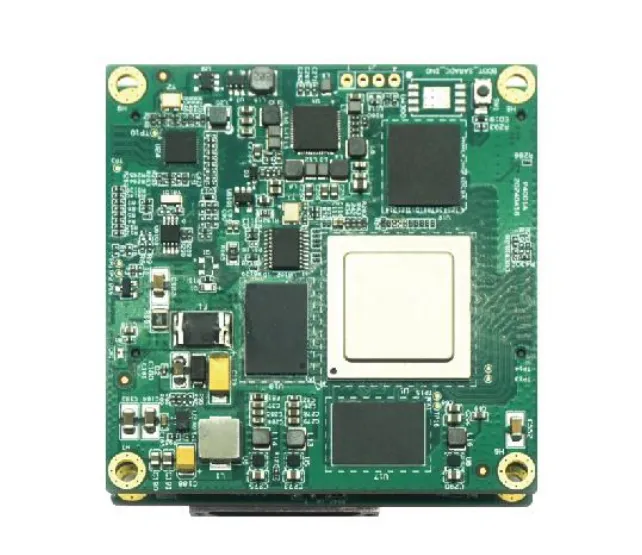
Security is another area where proprietary AI computing modules excel. Vendors take extensive measures to protect their intellectual property and ensure the security of their products. They implement strict access controls, encryption, and other security mechanisms to prevent unauthorized access and data breaches.
However, proprietary AI computing modules also have some drawbacks. The high cost of licensing can be a significant barrier for small businesses and startups. Additionally, the lack of transparency in the source code can make it difficult for developers to understand how the module works and to customize it to their specific needs.
Comparison in Practice
Let's take a look at some real - world examples to illustrate the differences between open - source and proprietary AI computing modules.
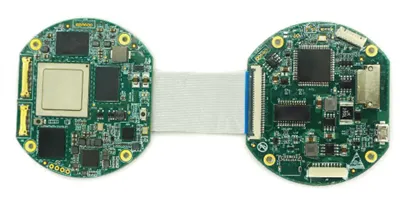
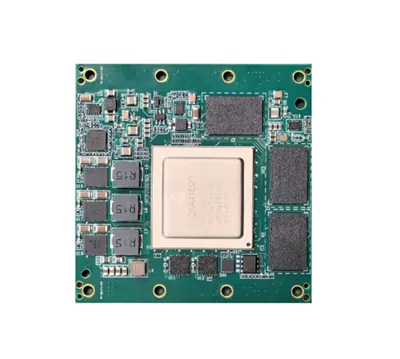
The Huawei Ascend 20 TOPS System On Module is a proprietary AI computing module that offers high performance and reliability. It is designed for industrial applications and comes with advanced features such as real - time processing and low power consumption. The vendor provides comprehensive support and service, ensuring that customers can easily integrate the module into their systems.
On the other hand, open - source projects like TensorFlow Lite can be used to develop AI applications on a variety of hardware platforms. TensorFlow Lite is an open - source framework that allows developers to optimize and deploy machine learning models on mobile and embedded devices. It has a large community of developers who contribute to its development and provide support.
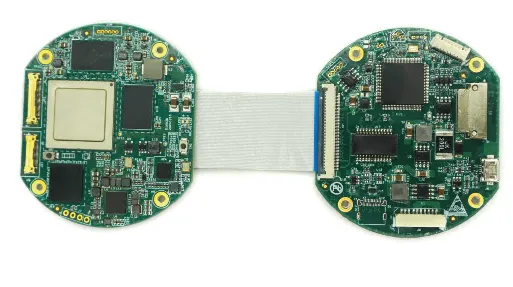
The RK3588 MIPI CSI Camera Development Board and Rockchip RK3588 Industrial Edge AI Vision Board are examples of products that can support both open - source and proprietary AI development. These boards are based on the Rockchip RK3588 processor, which offers high - performance computing capabilities. Developers can use open - source software to develop and test their AI models, or they can choose to use proprietary software provided by the vendor for more advanced features and support.
The Ascend Industrial Embedded Vision Processing Unit and Ascend 176 TOPS Embedded Computing Module are proprietary modules that are optimized for edge AI applications. They offer high - performance computing and low power consumption, making them suitable for use in industrial and IoT environments.
Choosing the Right AI Computing Module
When choosing between open - source and proprietary AI computing modules, several factors need to be considered.
- Cost: If cost is a major concern, open - source modules may be the better option. However, it's important to consider the total cost of ownership, including development, maintenance, and support.
- Customization: If you need to customize the module to meet your specific requirements, open - source modules offer more flexibility. Proprietary modules may have limitations in terms of customization.
- Performance and Features: If you require high - performance and advanced features, proprietary modules may be a better choice. They are often optimized for specific use cases and come with specialized hardware and software.
- Support and Service: If you need reliable support and service, proprietary modules are usually the better option. Vendors provide technical support, training, and updates to ensure the smooth operation of their products.
- Security: If security is a top priority, proprietary modules may offer better protection. Vendors implement strict security measures to safeguard their intellectual property and customer data.
Conclusion
In conclusion, both open - source and proprietary AI computing modules have their own advantages and limitations. The choice between the two depends on the specific needs and requirements of your project. As an AI computing module supplier, I can help you evaluate your options and choose the right module for your application. Whether you need a high - performance proprietary module or a flexible open - source solution, we have a wide range of products to meet your needs.
If you are interested in learning more about our AI computing modules or would like to discuss your specific requirements, please feel free to contact us. We are ready to assist you in your AI development journey and help you achieve your goals.
References
- Stallman, R. M. (1985). The GNU Manifesto. GNU Project.
- Raymond, E. S. (1999). The Cathedral and the Bazaar. O'Reilly Media.
- Pressman, R. S. (2010). Software Engineering: A Practitioner's Approach. McGraw - Hill.