
Applications, Principles, and Industrial Uses of SWIR Imaging Systems
Short-Wave Infrared (SWIR) imaging is widely applied key technologies in modern industrial vision, semiconductor inspection, and advanced optoelectronic systems. Operating in the wavelength range of approximately 0.9 μm to 1.7 μm, SWIR cameras capture reflected infrared light that is invisible to the human eye, enabling distinctive imaging characteristics that conventional visible light cameras and even thermal imaging systems cannot achieve.


Unlike thermal imaging, which detects emitted heat, SWIR imaging systems work based on reflected infrared light, making them highly suitable for precision inspection, material differentiation, and high-resolution industrial applications.
So, what can SWIR actually see through, and why is it becoming essential in machine vision and industrial inspection systems?
1. SWIR and Silicon Transparency: mainstream detection technology for Semiconductor Inspection
One of the major advantages of SWIR imaging is its ability to see through silicon-based materials. While silicon is opaque in visible light, it becomes partially transparent in the SWIR wavelength range.

This unique property makes SWIR imaging systems essential in:
- Semiconductor wafer inspection
- Chip internal defect detection
- Microstructure analysis in electronics manufacturing
In semiconductor production, even microscopic defects can lead to product failure. SWIR cameras allow manufacturers to inspect internal structures of wafers without damaging them, enabling non-destructive, high-precision inspection.
For this reason, SWIR imaging has become a mainstream detection technology in semiconductor wafer inspection systems and industrial machine vision platforms.
2. Plastic and Polymer Inspection in Industrial Production Lines
Many plastics and polymer materials that appear completely opaque under visible light become semi-transparent under SWIR imaging.

This enables SWIR cameras to inspect:
- Sealed plastic packaging
- Polymer component integrity
- Internal structure of industrial plastic parts
In automated production lines, SWIR-based machine vision systems can detect:
- Foreign objects inside sealed packaging
- Incorrect filling levels
- Structural defects in molded parts
This makes SWIR imaging effective detection solutionl for industrial inspection cameras and quality control systems in food, pharmaceutical, and manufacturing industries.
3. Moisture Detection and Material Composition Analysis
SWIR imaging is highly sensitive to water absorption characteristics. Water strongly absorbs specific wavelengths in the SWIR spectrum, creating strong contrast differences between dry and wet areas.

This property is widely used in:
- Agricultural crop analysis
- Food processing quality control
- Wood drying monitoring
- Pharmaceutical powder inspection
For example, SWIR imaging systems can clearly distinguish moisture distribution in materials that appear uniform under visible light. This capability is critical in industrial process control and material quality inspection systems.
4. Imaging Through Smoke, Fog, and Environmental Obstructions
In addition to material inspection, SWIR imaging performs delivers stable imaging performance in degraded visibility environments such as:
- Smoke
- Fog
- Dust
- Haze

Compared to visible light cameras, SWIR systems experience significantly reduced scattering, allowing clearer imaging over long distances.
This makes SWIR cameras widely used in:
- Border surveillance systems
- Coastal defense monitoring
- Industrial safety environments
- Search and rescue operations
In these applications, SWIR imaging is often integrated into optoelectronic imaging systems for long-range monitoring and security detection.
5. Thin Materials and Selective Transparency Effects
SWIR imaging can also partially penetrate certain thin or semi-transparent materials, including:
- Thin plastic films
- Some textiles
- Specific optical coatings
However, this capability depends strongly on material composition and thickness. SWIR is not a universal "see-through" technology, but rather a material-sensitive imaging method.

For example, standard glass is generally opaque in SWIR, while materials such as quartz or sapphire offer higher transmission in this wavelength range.
6. SWIR vs Thermal Imaging: Key Technical Difference
It is important to distinguish SWIR imaging from thermal imaging systems:

|
Technology |
Detection Principle |
Main Function |
|
SWIR Imaging |
Reflected infrared light |
Material inspection, structure analysis |
|
Thermal Imaging |
Emitted heat radiation |
Temperature measurement |
SWIR cameras do not detect heat. Instead, they analyze reflected infrared signals, making them ideal for:
- Machine vision systems
- Semiconductor inspection
- Industrial optical measurement
This distinction is critical when selecting imaging solutions for industrial or defense applications.
7. Industrial Applications of SWIR Imaging Systems
Modern SWIR imaging systems are widely used across high-tech industries, including:


Machine Vision & Industrial Automation
- Defect detection
- Assembly verification
- High-speed production inspection
Semiconductor Industry
- Wafer inspection
- Chip alignment analysis
- Microstructure defect detection
Optoelectronic Systems
- Laser beam profiling
- Optical alignment systems
- Precision measurement
Security & Defense
- Border surveillance systems
- Coastal monitoring platforms
- Long-range target detection
- As automation and precision manufacturing continue to grow, SWIR imaging is becoming a core sensing technology in advanced machine vision and optoelectronic systems.
8. Integrated SWIR Imaging Solutions
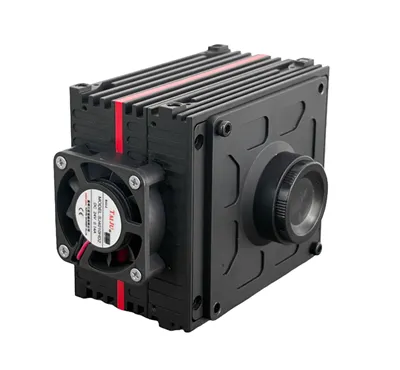
Modern SWIR imaging systems are no longer standalone cameras. They are increasingly integrated into:
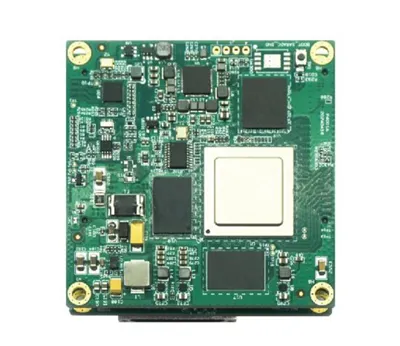
- Embedded AI vision computing modules
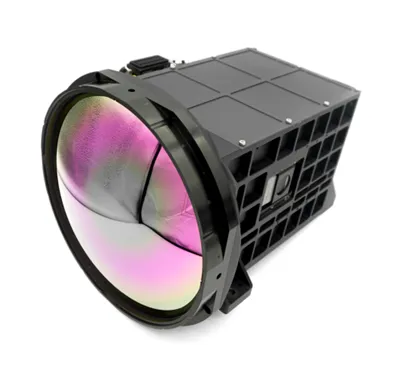
- Optoelectronic imaging systems
- Industrial inspection platforms

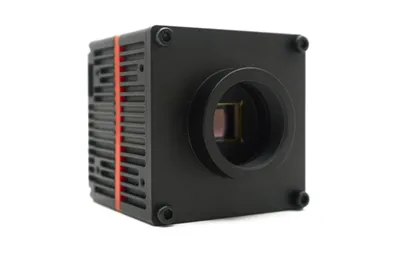
For example, advanced SWIR camera modules with InGaAs detectors (0.9–1.7 μm range) offer:
- High sensitivity imaging
- Low noise performance
- Compact modular design
- Real-time industrial output interfaces (CameraLink / GigE / SDI)
These features enable SWIR systems to be deployed in AI-driven industrial inspection and smart manufacturing environments.
Conclusion
So, what can SWIR see through?
SWIR imaging is not a general-purpose "see-through" technology, but a highly specialized imaging method that reveals hidden material properties and internal structures in silicon, plastics, and moisture-sensitive substances. It also provides has specific imaging advantages under haze/smoke in challenging environments such as fog, smoke, and dust.

Its real value lies in enabling material-level intelligence rather than surface-level imaging, making it widely adopted in the production process in semiconductor manufacturing, machine vision systems, and optoelectronic inspection technologies.
As industries continue to demand higher precision, SWIR imaging systems will play an increasingly important role in next-generation industrial automation, semiconductor inspection, and intelligent optoelectronic applications.